
Sleek, Sustainable Frames That Let Botanical Art Breathe

Join us as we delve into eco-conscious materials for minimal frames showcasing botanical art, blending quiet elegance with responsible choices. From FSC-certified woods and recycled aluminum to plant-based composites and low-VOC finishes, discover how restraint in form can amplify leaves, petals, and pressed specimens. Expect practical guidance, conservation tips, and stories from makers transforming simple frames into enduring, earth-friendly homes for fragile botanical beauty.

Material Foundations That Respect the Planet

Thoughtful framing begins with matter itself. We explore reclaimed hardwoods, FSC-certified new stock, fast-growing grasses, recycled metals, and plant-based composites, weighing strength, dimensional stability, and visual calm. Expect practical sourcing tips, finish compatibility notes, and tests that balance durability with a restrained, gallery-ready presence.

Responsibly Sourced Wood, Reclaimed and Certified
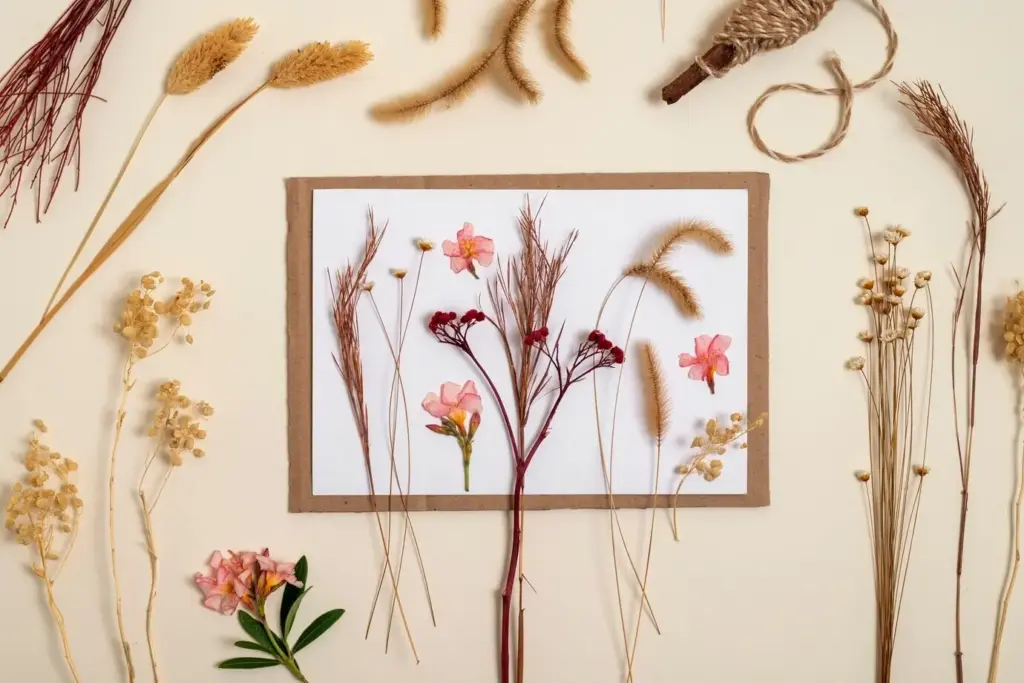
Reclaimed oak and walnut bring tight grain, patina, and exceptional stiffness, while FSC-certified poplar or maple keep profiles light. Kiln-drying minimizes movement, and water-based stains allow fibers to breathe. Pair with cotton-rag mats to prevent acid migration and maintain a fresh, neutral field around delicate specimens.

Recycled Aluminum with Powder-Coated Poise

Recycled aluminum extrusions deliver slim, precise sightlines and outstanding dimensional stability. Specify high post-consumer content and durable powder coats cured without heavy metals. Aluminum’s light weight eases hanging on plaster walls, while inert surfaces and reversible corner hardware support conservation goals and ensure easy disassembly for future reuse.

Rapid-Renewables: Bamboo, Cork, Hemp, and Flax

Bamboo laminations, cork veneers, and hemp or flax fiberboards offer warm textures and rapid renewability. Stabilize edges with natural waxes to resist fraying, and test screw-holding strength before adding hanging hardware. These materials shine in quiet profiles that visually recede, letting ferns and blossoms take center stage effortlessly.

Minimalist Design that Honors Living Forms

Minimal framing heightens botanical nuance by removing distractions and celebrating negative space. Thin profiles, generous margins, and thoughtful mat windows direct attention to vein patterns, velvety petals, and pressed stems. Balance structural needs with visual calm, ensuring subtle shadows and crisp edges carry quiet drama without clutter.

Conservation-Grade Choices for Lasting Botanical Clarity

Pressed plants and botanical prints are sensitive to acids, light, and moisture. Selecting conservation-grade components protects color, paper fibers, and adhesives. Choose lignin-free, buffered boards, UV-filtering glazing, and reversible mounts so future conservators can intervene gracefully while your collection stays luminous on everyday walls.

Finishes, Adhesives, and Off-Gassing Awareness

Finishes and glues can quietly undermine careful framing if they off-gas or migrate. Favor low-VOC oils, water-based stains, and natural waxes over solvent-heavy options. Select conservation-safe adhesives and sealants, testing cured components in closed boxes before introducing fragile petals, stems, or antique botanical paper.

Sourcing, Lifecycle, and Circular Design

Sustainable framing reaches beyond purchase decisions to traceability, repairability, and graceful endings. Seek suppliers publishing Environmental Product Declarations and chain-of-custody certifications. Prefer local workshops to reduce transport. Design for disassembly so components can be refreshed, recycled, or composted without compromising the artwork’s continued protection and presence.

01

Traceability, Certifications, and Honest Footprints

Look for FSC, PEFC, or recycled-content marks, and verify claims with batch numbers or online databases. Ask metal mills for post-consumer percentages, and request coating data sheets. True transparency invites thoughtful choices, empowering you to compare impacts honestly while supporting fabricators advancing lower-carbon, circular framing practices.

02

Repairable, Modular Frames Designed for Disassembly

Favor screwed corners, serviceable splines, and replaceable glazing over glued miters. Label component sizes discreetly on the backing. When styles evolve, swap mats or profiles without discarding cores. This approach keeps materials in play longer and protects precious botanical pieces from repeated handling or rehinging stress.

03

Packaging, Shipping, and Carbon-Savvy Handling

Choose recycled cardboard, molded pulp corners, and paper-based tapes. Avoid foams that shed microplastics. Plan consolidated deliveries and select bicycle or electric couriers for local routes. Reuse glassine and kraft sleeves for specimen protection, inviting clients to return packing supplies for repeat cycles and reduced waste.

Storm-Felled Oak Becomes a Quiet Showcase

A neighborhood arborist milled a windfall oak, yielding narrow strips perfect for slim profiles. We dried, planed, and finished with linseed and wax, then float-mounted a fern. That frame now anchors an entryway, reminding visitors that resilience and reverence can grow from unplanned losses.

A Gallery’s Recycled-Metal Makeover

Facing tight deadlines, a small gallery replaced aging frames with recycled aluminum, powder-coated in soft ecru. The lighter hardware eased installations, and UV acrylic reduced glare on cyanotypes. Visitors praised the clarity, while the curator celebrated reduced maintenance costs and measurable, published carbon savings from procurement choices.

Share Your Materials Map

Post your supplier discoveries, lead times, and certifications, noting batch numbers and any surprises after curing or seasonal shifts. Crowd-sourced notes help everyone dodge pitfalls and celebrate wins, accelerating adoption of thoughtful practices that lift botanical work without burdening air, soil, or future restorers.

Ask, Test, Iterate: Community Q&A

Bring tricky scenarios—warped boards, foxing, glare near windows—and we will test together. Expect candid assessments, photos, and measured data where possible. Iteration turns scattered experiments into reliable guidance, strengthening minimal, sustainable framing that highlights botanicals while respecting budgets, schedules, and the realities of everyday living spaces.

Subscribe for Field Notes, Checklists, and Trials

Sign up to receive digestible notes on finishes, adhesives, glazing tests, and mounting trials. We share failures alongside triumphs, plus printable checklists for studio benches. Your inbox becomes a practical library supporting responsible choices that let botanical art breathe, brighten rooms, and endure with grace.
Vunekifaranopilexaleku
Privacy Overview

This website uses cookies so that we can provide you with the best user experience possible. Cookie information is stored in your browser and performs functions such as recognising you when you return to our website and helping our team to understand which sections of the website you find most interesting and useful.