Wide White Mats, Quiet Power for Nature Artwork
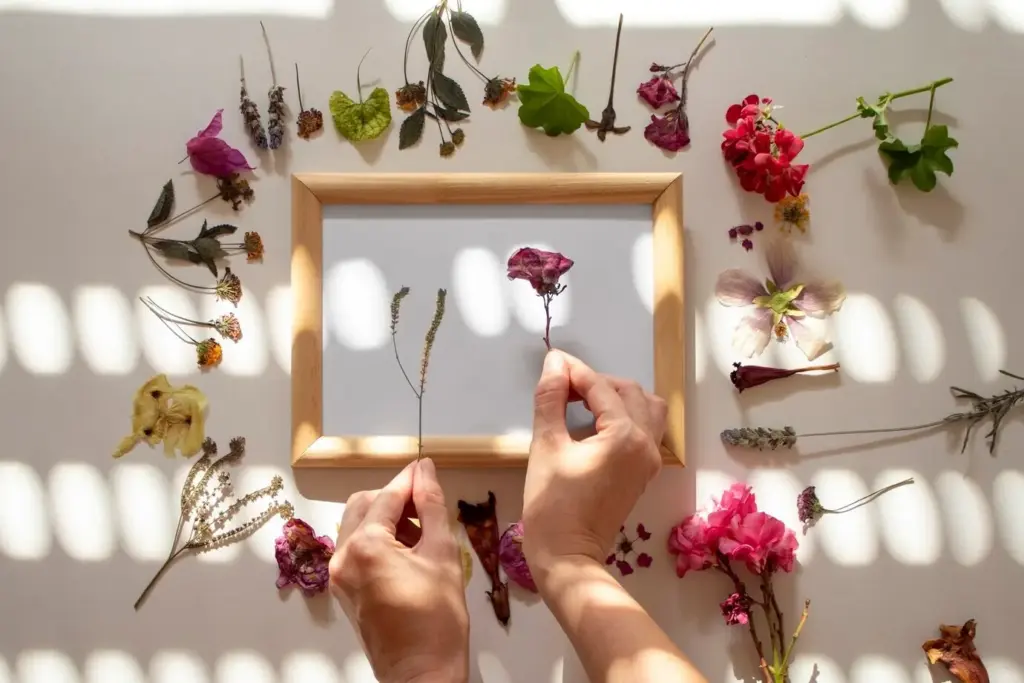
Discover how using wide white mats to create minimal space around nature artwork transforms attention, quiets visual noise, and lets organic textures breathe. We’ll explore proportions, materials, and lived examples so your photographs, drawings, and pressed botanicals feel serene, elevated, and unmistakably present on any wall.

Why Generous White Mats Elevate Nature Pieces

Wide margins act like silence between notes, giving leaves, feathers, and horizons room to resonate. The restrained boundary reduces clutter, intensifies contrast, and steadies the eye, making delicate tonal shifts, paper tooth, and brush textures easier to savor without distraction.
Think of the mat as snowfield or sky, a calm expanse that frames the living subject. That quiet field heightens scale, echoes natural breathing rhythms, and invites viewers to approach slowly, noticing veins, bark, and mist the way hikers pause at overlooks.
Bright white gently opposes the greens, siennas, and soft blacks common in nature images. This clean contrast stabilizes value perception, letting subtle midtones emerge, so lichen, feather barbs, and pressed petals register with crisp intention instead of collapsing into nearby wall colors.

Proportions, Ratios, and Visual Weight

Finding the right border width is less about rules and more about perceived balance among image size, subject density, and viewing distance. Thoughtful ratios keep horizons grounded, prevent corners from crowding edges, and create a graceful pause before the frame resumes authority.

Choosing Border Widths

Start around one third to one half of the image’s shortest side for the mat, then adjust by feeling how air collects around forms. If the piece still seems cramped, add width; if it floats away, reduce slightly until breathing feels natural.

Aspect Ratios and Cropping

Nature compositions often resist standard ratios. When your horizon, trunk, or stem asks for unusual framing, the mat can restore harmony by centering tension and hiding irregular edges. Keep the window clean, and let the mat reestablish geometry without stealing attention.
Color Nuance: Whites, Off-Whites, and Light Neutrals

Not all whites behave equally. Museum white, natural rag, and warm ivory each nudge foliage and skies differently. Match undertones to the artwork’s paper and your room’s light temperature to avoid harsh glare, muddying, or unwanted yellowing that disturbs the calm minimal surround.

Paper White vs Textile White

A cotton rag print may already carry subtle warmth, while baryta or glossy papers read cooler. Choose a mat that meets the print halfway, preventing either from looking dingy. If unsure, compare swatches beside the image under neutral daylight and evening illumination.

Light Temperature and Perception

Cool LED lighting can make warm mats appear creamier, while halogen or late-afternoon sun intensifies warmth in paper fibers. Predict shifts by checking mats at different hours, ensuring the chosen white keeps greens lively, clouds luminous, and bark textures articulate across conditions.

Matching Room Materials

Nearby surfaces influence perception. Pale oak, linen curtains, and plaster walls each shift how whites register. By echoing one material’s undertone subtly, you let the mat harmonize with the space while still preserving the crisp, minimal pause around pine needles and rivers.

Cotton Rag and Alpha-Cellulose

Choose four-ply or eight-ply museum boards made from pure cotton or refined alpha-cellulose for stability and longevity. These cores resist discoloration, keep cuts crisp, and support the luminous edge reveal that makes the white border feel intentional, quiet, and wonderfully confident.

Hinging Methods and Reversibility

Use Japanese paper hinges with wheat starch paste or high-quality, archival tapes applied sparingly. The goal is restraint and future-proofing. Artwork should relax behind the window, held securely yet gently, ready to be liberated for conservation or rematting without scars or residue.

Depth, Spacers, and Shadowlines

Deep profiles and hidden spacers keep glazing away from delicate gouache, graphite, or fibers, preventing sticking and abrasion. The resulting shadowline subtly sculpts the white surround, adding dimensional calm that reads as architectural intention rather than decorative bulk or fussiness.

Stories from the Studio

Real projects reveal how subtle decisions alter feeling. By comparing prints and drawings before and after generous matting, we noticed breathing space restored narrative clarity, softened busy rooms, and encouraged people to step closer, speak softer, and linger with unexpected affection and focus.

Misty Pine Photograph

A foggy ridge line looked ordinary until surrounded by a wide, cool white. The emptiness echoed weather, making droplets glisten and branches feel patient. Visitors whispered without prompting, as if entering drizzle, then asked about the hike that inspired the shot.

Pressed Leaf Composition

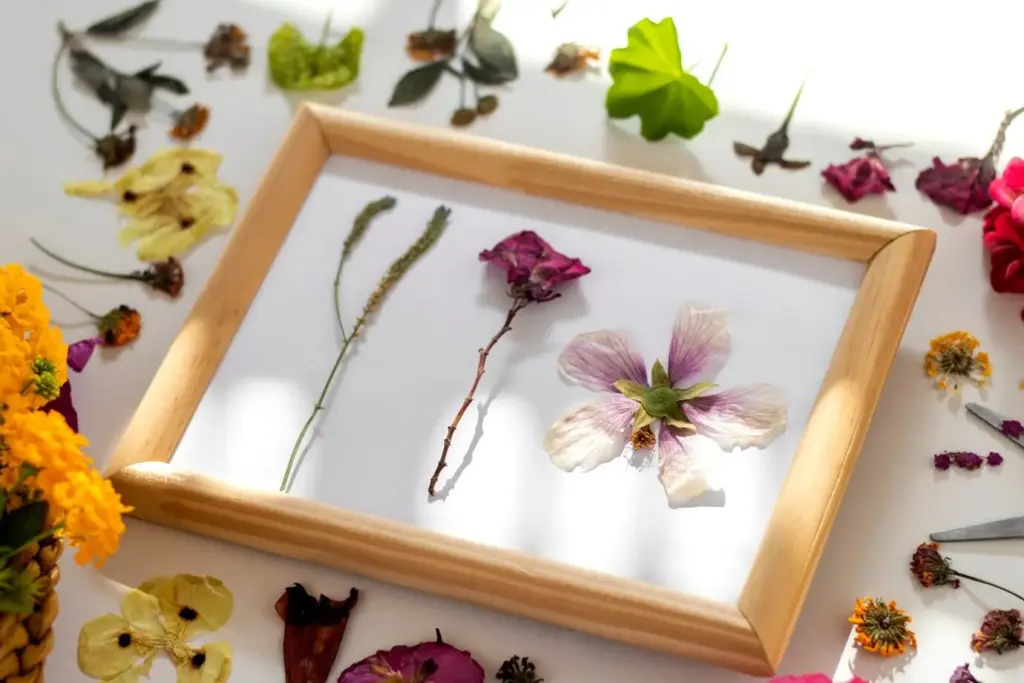
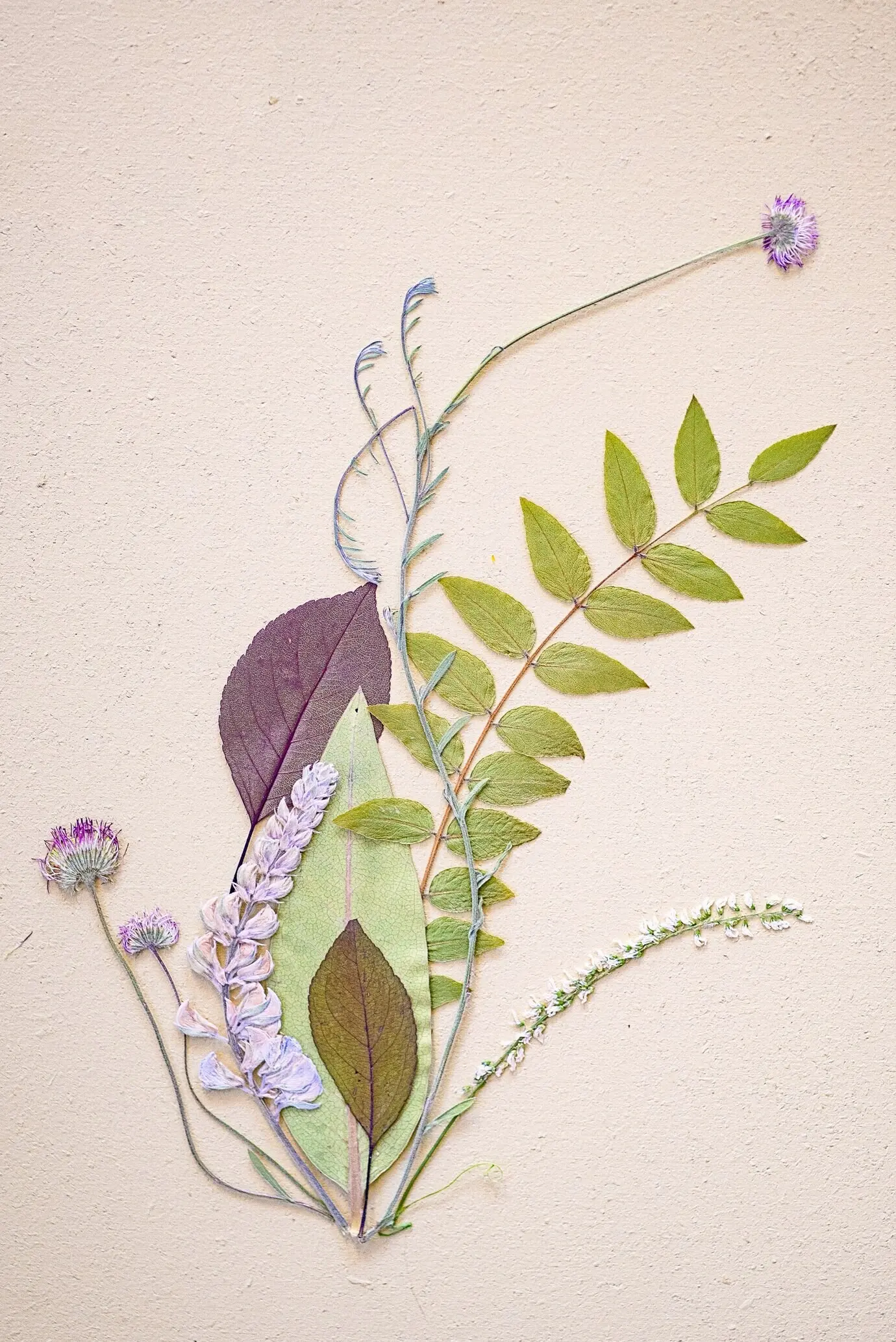
A brittle oak leaf mounted with ample margin became unexpectedly modern. The white field highlighted its geometry, while tiny tears read like cartographic rivers. People leaned close, tracing routes with fingertips, then stepped back, delighted by the dialogue between fragility and calm spaciousness.

Curate at Home: Walls, Light, and Groupings
Placement completes the gesture. Keep generous spacing between frames so each piece’s white surround maintains its hush. Use soft, non-glaring light, align centers at eye height, and group by mood or species, letting shared emptiness, not matching frame ornament, create cohesion. Share your arrangements with our readers to inspire fresh, calming corners.

Solitary Statement Wall

Give one nature work a full stretch of wall with nothing adjacent. The expansive mat plays partner to empty plaster, amplifying simplicity. Visitors feel a slowing of time, and conversation gravitates toward texture, scent memories, and the quiet patience of weathered landscapes.

Grid of Botanicals

Arrange several small botanical prints in a balanced grid, each granted a wide white surround. The repetition of space, not size, produces rhythm. Leaves, stems, and seeds become a soft metronome, guiding eyes gently without crowding or competitive ornamentation nearby.
Vunekifaranopilexaleku
Privacy Overview

This website uses cookies so that we can provide you with the best user experience possible. Cookie information is stored in your browser and performs functions such as recognising you when you return to our website and helping our team to understand which sections of the website you find most interesting and useful.